
The Basics of CBD
What is CBD and How Does It Work?
Cannabinoid compounds are abundant in the cannabis plant, and among them, CBD (cannabidiol) stands out for its potential therapeutic properties. Unlike its more famous counterpart, THC (tetrahydrocannabinol), CBD is non-psychoactive, meaning it does not produce the euphoric high commonly associated with cannabis. Instead, CBD interacts primarily with the endocannabinoid system (ECS) within the human body. This system plays a crucial role in regulating various physiological processes, including mood, pain sensation, immune response, and sleep cycles. By interacting with cannabinoid receptors (CB1 and CB2) in the ECS, CBD may help balance these processes, leading to improved health outcomes.
Sources of CBD
CBD is derived from both hemp and marijuana plants, both of which belong to the Cannabis sativa species. However, there is a significant distinction between the two in terms of their chemical composition and legal status. Hemp plants, which must contain less than 0.3% THC to be legally classified as hemp, are the primary source of commercially marketed CBD products. The extraction of CBD from hemp is generally considered safer and more acceptable due to the low THC content, making it suitable for consumers seeking therapeutic benefits without the intoxicating effects. Various extraction methods, including CO2 extraction and solvent extraction, are employed to obtain pure CBD oil.
Legal Status of CBD
The legal landscape concerning CBD has evolved significantly over the past few years, particularly following the 2018 Farm Bill in the United States, which legalized hemp-derived CBD at the federal level. However, regulations can still vary by state, resulting in a complex legal terrain. While CBD derived from hemp is generally legal, CBD products containing any substantial THC content may remain prohibited in certain areas. Consumers should always verify their local laws before purchasing or using CBD products to ensure compliance.
Health Benefits of CBD
Potential Therapeutic Uses of CBD
CBD has garnered attention for its potential to alleviate various health issues. Research indicates that it may be effective in treating inflammatory conditions, seizures, and chronic pain. Some studies suggest that CBD can interact with receptors in the brain to reduce inflammation and pain sensations. Additionally, preliminary findings have implicated CBD in managing conditions such as epilepsy, with a specific formulation being FDA-approved for the treatment of rare seizure disorders.
Scientific Studies on CBD Effects
A wealth of scientific literature supports the proposed health benefits of CBD. For instance, a 2015 review of available studies published in the journal "Pain" found that CBD delayed the onset of pain in rat models. Furthermore, a 2019 systematic review in "The Journal of Clinical Psychology" illustrated that CBD could reduce anxiety levels in multiple settings, from public speaking to generalized anxiety disorder. As the body of research continues to grow, more potential uses for CBD may be identified, bolstering its appeal as a natural remedy.
CBD for Mental Health
Mental health disorders affect millions worldwide, and there is growing interest in CBD's role as a potential treatment option. Some studies have shown that CBD may help alleviate symptoms of anxiety and depression by enhancing serotonin receptor activity, which is a well-known factor in mood regulation. A double-blind clinical trial found that participants who received CBD reported reduced anxiety levels compared to those receiving a placebo. Additional research is still required to determine the full scope of CBD's effectiveness in this domain, but early findings indicate a promising path forward.
How to Use CBD Effectively
Different Forms of CBD Products
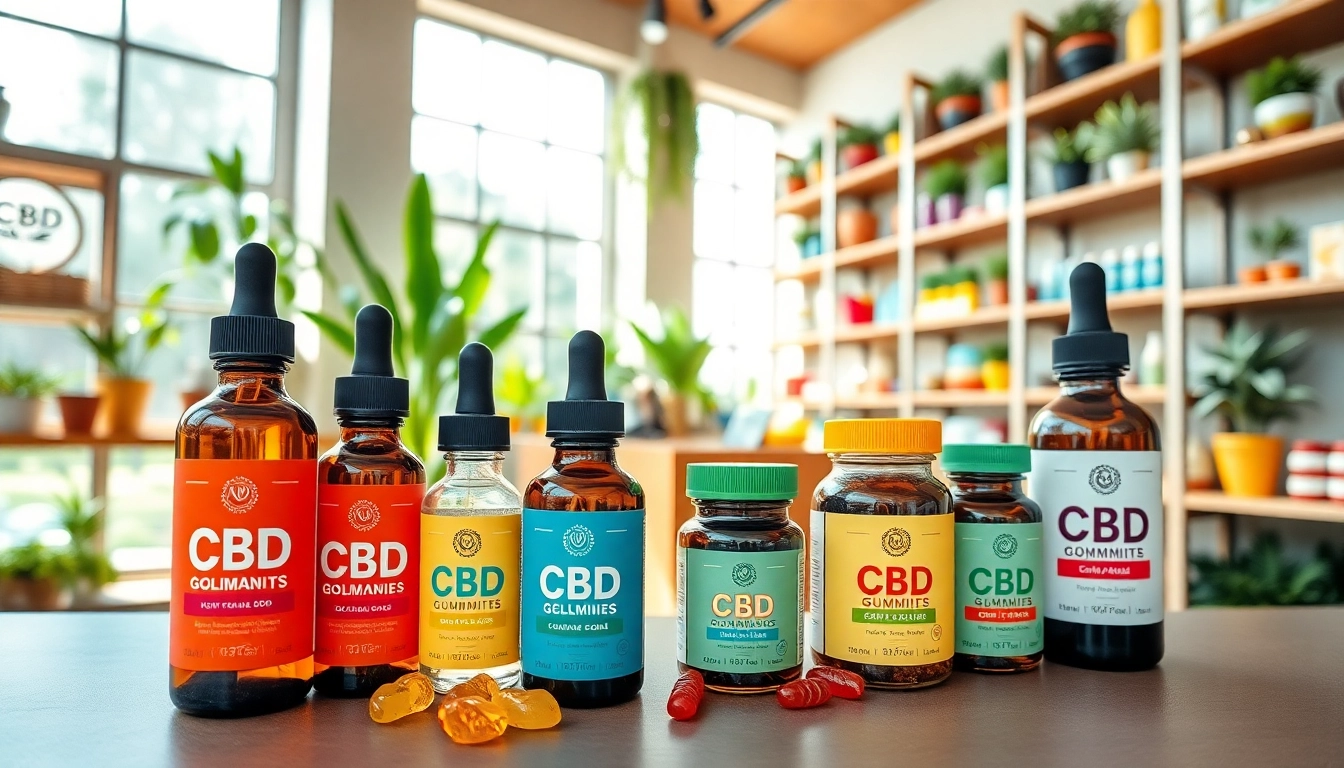
CBD is marketed in various forms, catering to different preferences and methods of consumption. The most common forms include:
- Oils and Tinctures: These are typically delivered via dropper and are taken sublingually for rapid absorption.
- Capsules and Edibles: CBD can be incorporated into capsules or food items, providing a familiar and discreet consumption method.
- Topicals: Creams, balms, and salves allow localized application of CBD for targeted relief, particularly for conditions affecting the skin or muscles.
- Vapes: Inhalation of vaporized CBD allows for quick effects but raises concerns regarding lung health.
Dosing Guidelines for CBD
Determining the right dosage of CBD is critical for achieving desired effects while minimizing potential risks. There is no universal dosage; factors such as body weight, metabolism, the severity of the condition, and individual body chemistry can influence how much CBD is optimal for a particular person. A general rule of thumb suggests starting with a low dose (around 5–10 mg) and gradually increasing it until the desired effects are achieved. Observing how your body reacts to different doses can help in finding the optimal range.
Tips for Choosing Quality CBD
Not all CBD products are created equal, and choosing a high-quality product is crucial for safety and effectiveness. Here are some tips for selecting quality CBD:
- Check for Third-Party Testing: Reputable brands provide lab results proving their products’ potency and purity.
- Review Ingredient Lists: Make sure the product does not contain harmful additives or contaminants.
- Consider the Source: Opt for products sourced from organically grown hemp whenever possible.
- Look for Full-Spectrum Products: These products contain a range of cannabinoids and terpenes, which may enhance therapeutic effects.
Side Effects and Risks of CBD
Common Side Effects of CBD
While CBD is well-tolerated by many, it is not without side effects. Some individuals may experience:
- Dry mouth
- Diarrhea
- Changes in appetite
- Fatigue
These effects can vary based on the individual and the dosage consumed. Therefore, it is crucial to monitor how your body responds to CBD and consult a healthcare professional if adverse reactions occur.
Interactions with Other Medications
CBD can interact with certain medications, potentially altering their effects. It is essential for individuals who are taking prescription medications to consult with a healthcare provider before starting CBD. CBD may inhibit enzymes in the liver that break down various pharmaceuticals, which can lead to increased concentrations of these medications in the bloodstream. This interaction underscores the importance of professional guidance in the use of CBD, particularly for those with complex health needs.
Who Should Avoid CBD?
While CBD can benefit many, certain groups may need to exercise caution or avoid its use altogether. Pregnant and breastfeeding individuals are often advised against using CBD due to insufficient safety data. Individuals with specific liver conditions or those taking medications that interact with CBD should also consult their healthcare provider. As with any supplement, a personalized approach considering individual health circumstances is recommended.
The Future of CBD
Trends in CBD Product Development
The CBD market is rapidly evolving, with continuous innovation occurring in product development. The rise of consumer demand for natural and holistic wellness solutions has led to the creation of a diverse range of CBD products, including beverages, gummies, and skincare items. Research is also focusing on formulating products that enhance bioavailability, ensuring that consumers receive the maximum benefits from their CBD intake. As the industry matures, we can expect even more diverse offerings designed to meet the varied needs of consumers.
Consumer Demands for CBD
Consumers are increasingly seeking transparency, sustainability, and efficacy in CBD products. They demand detailed product information, including sourcing practices, ingredient purity, and third-party testing results. Brands that adopt a customer-centric approach and prioritize transparency are likely to thrive in this competitive marketplace. Additionally, as more research underscores the benefits of CBD, consumer interest is expected to grow, driving further demand for high-quality, innovative products.
Regulatory Changes Affecting CBD
The regulatory environment surrounding CBD is nuanced and subject to change as more research becomes available and consumer needs evolve. Ongoing discussions at both federal and state levels are likely to shape the future of CBD regulations. Increasingly, regulatory authorities are focusing on establishing safety standards, labelling requirements, and advertising guidelines to ensure consumer protection. Companies that remain adaptable to these changes will be best positioned to succeed in the long run.