
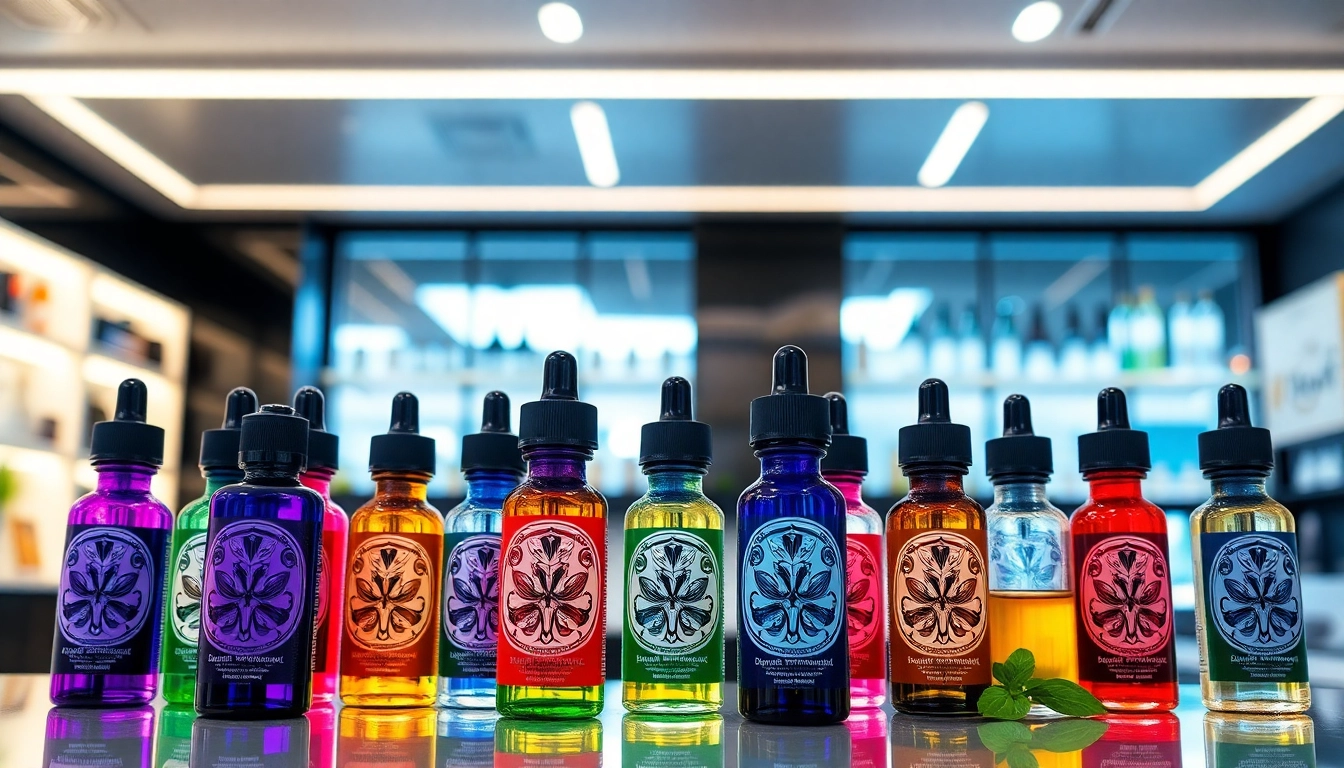
Understanding the Basics of Vape & E-Liquids
In today's rapidly changing landscape of smoking alternatives, the popularity of vaping has surged significantly. This trend has introduced a vast array of options for consumers, particularly centered around Vape & E-Liquids. Understanding the fundamentals of these products is essential for both newcomers and seasoned vapers. From the types of e-liquids available to the components that make them up, this comprehensive guide aims to delve into every aspect of vape and e-liquids, ensuring you are well-informed.
What Are Vape & E-Liquids?
Vape liquids, commonly referred to as e-liquids or vape juices, are the substance used in electronic cigarettes and vaporizers. When heated, these liquids produce vapor, which users inhale. E-liquids consist of a variety of ingredients, typically including a base (propylene glycol and/or vegetable glycerin), flavorings, and nicotine (although nicotine-free options are available).
The rise of vaping as a smoking alternative can be attributed to several factors, including the perception of reduced harm compared to traditional cigarettes and the appeal of diverse flavors that can be customized to personal preferences.
The Components of E-Liquids
The primary components that make up e-liquids are:
- Base Liquids: The backbone of any e-liquid, base liquids are typically composed of propylene glycol (PG) and vegetable glycerin (VG). PG is a thinner substance that delivers throat hit similar to smoking, while VG is thicker, providing a smoother inhale and a richer vapor.
- Flavorings: The flavorings in e-liquids are what give them their unique profiles. These can range from fruity to dessert-like flavors, catering to a broad spectrum of tastes. Many manufacturers utilize food-grade flavorings, ensuring safety and quality.
- Nicotine: This is a common but optional ingredient in e-liquids. Available in various strengths, consumers can choose their preferred nicotine level or opt for nicotine-free options.
Types of Vape & E-Liquids Available
E-liquids come in several varieties to cater to different user preferences:
- Standard E-Liquid: These are traditional e-liquids used in most vape devices and are available in various flavors and nicotine strengths.
- Salt Nicotine E-Liquids: These are formulated with nicotine salts rather than freebase nicotine, allowing for higher nicotine concentrations without the harshness, making them ideal for beginners who prefer a stronger hit.
- CBD E-Liquids: Infused with CBD (Cannabidiol), these e-liquids are popular among those seeking potential therapeutic benefits without the psychoactive effects of THC.
- Homemade E-Liquids: For experienced users, creating homemade e-liquids offers the ability to customize flavors and nicotine levels. However, it requires knowledge of ingredients and safety practices to ensure quality and avoid risks.
Factors Influencing E-Liquid Flavor Choices
Flavor selection represents a critical aspect of the vaping experience, and various factors can influence consumer preferences. Understanding these can lead to more satisfying choices.
The Role of Flavor Profiles in Vaping
The flavor profile refers to the taste characteristics that define an e-liquid. Some users may lean toward traditional tobacco flavors reminiscent of cigarettes, while others may prefer fruity or dessert profiles for a sweeter experience. The allure of innovative flavor combinations has led to a rapidly expanding market where the creativity of e-liquid manufacturers thrives.
Understanding Nicotine Strengths
Nicotine strength is another major consideration when selecting an e-liquid. It ranges from 0mg (nicotine-free) to high concentrations like 18mg or more. Users need to consider their current smoking habits or prior nicotine use to determine a suitable strength that matches their preferences without causing discomfort.
Consumer Preferences and Trends
Recent trends indicate an increasing interest in unique flavor combinations and customizable nicotine options. This shift can often be observed in online communities where vapers share their experiences and preferences. Monitoring these trends can guide manufacturers in product development, ensuring they align with consumer desires.
How to Select Quality Vape & E-Liquids
With a plethora of options available, choosing high-quality e-liquids requires a discerning eye. Here are key factors to consider.
Identifying Authentic Brands
Authentic vape brands prioritize transparency in their manufacturing processes. Look for brands that provide ingredient lists, batch numbers, and certification from regulatory inspections. Understanding the company’s reputation among users can also help in selecting quality options.
Reading Product Labels
Labels on e-liquid bottles can provide valuable insight. Ingredients should be clearly listed, and users should always check for the presence of harmful substances or unverified components. Additionally, noting the nicotine strength is crucial for safe consumption.
Importance of Testing and Reviews
Product testing and user reviews play a pivotal role in discerning quality. Many reputable manufacturers subject their products to lab tests to ensure safety and consistency. Reading reviews can further provide real experiences from users, allowing potential buyers to make more informed decisions.
Best Practices for Vaping Healthily
While vaping is often considered a safer alternative to traditional smoking, practicing healthy habits remains vital for users. Understanding the associated risks and how to mitigate them can enhance the vaping experience.
Safety Guidelines for Using Vape & E-Liquids
Safety should remain a priority when engaging in vaping. This includes:
- Storing e-liquids away from children and pets.
- Using the correct voltage settings as specified by device manufacturers.
- Avoiding the mixing of different brands of e-liquids unless verified safe to do so.
Understanding the Risks of Vaping
Even though vaping is seen as a less harmful alternative, it is important to recognize potential risks, such as lung irritation or allergic reactions to ingredients. Being informed can help users make choices that prioritize their health.
Personalizing Your Vaping Experience
Each vaper is unique, and personalizing the vaping experience can significantly enhance enjoyment. Experimenting with different devices, wattages, and e-liquids allows users to find configurations that suit their preferences best. Emphasizing customization promotes a more engaging and satisfying vaping journey.
The Future of Vape & E-Liquids Industry
As the vaping industry continues to evolve, several factors will play a crucial role in shaping its future. Understanding upcoming trends and changes is vital for both consumers and industry players alike.
Innovations in Flavor and Technology
The industry is experiencing continuous innovation, particularly in flavor development and technological advancements. New extraction methods and flavoring techniques enable manufacturers to create more complex and appealing flavors that can enhance user satisfaction. Additionally, technological improvements in devices contribute to a better overall vaping experience.
Market Trends and Predictions
Market projections suggest that the demand for vape products will continue to grow, driven by the appeal of customizable smoking alternatives. Moreover, the ongoing adoption of regulations may lead to an increase in quality standards across the industry, pushing smaller players to adapt or exit the market.
Regulatory Changes Impacting Vaping
Regulatory scrutiny surrounding the vaping industry has intensified in many regions. Staying informed about these regulations is crucial for both consumers and manufacturers to ensure compliance and advocate for fair practices that support innovation while safeguarding public health.