
Understanding Sports Broadcasting
Definition and Scope of Sports Broadcasting
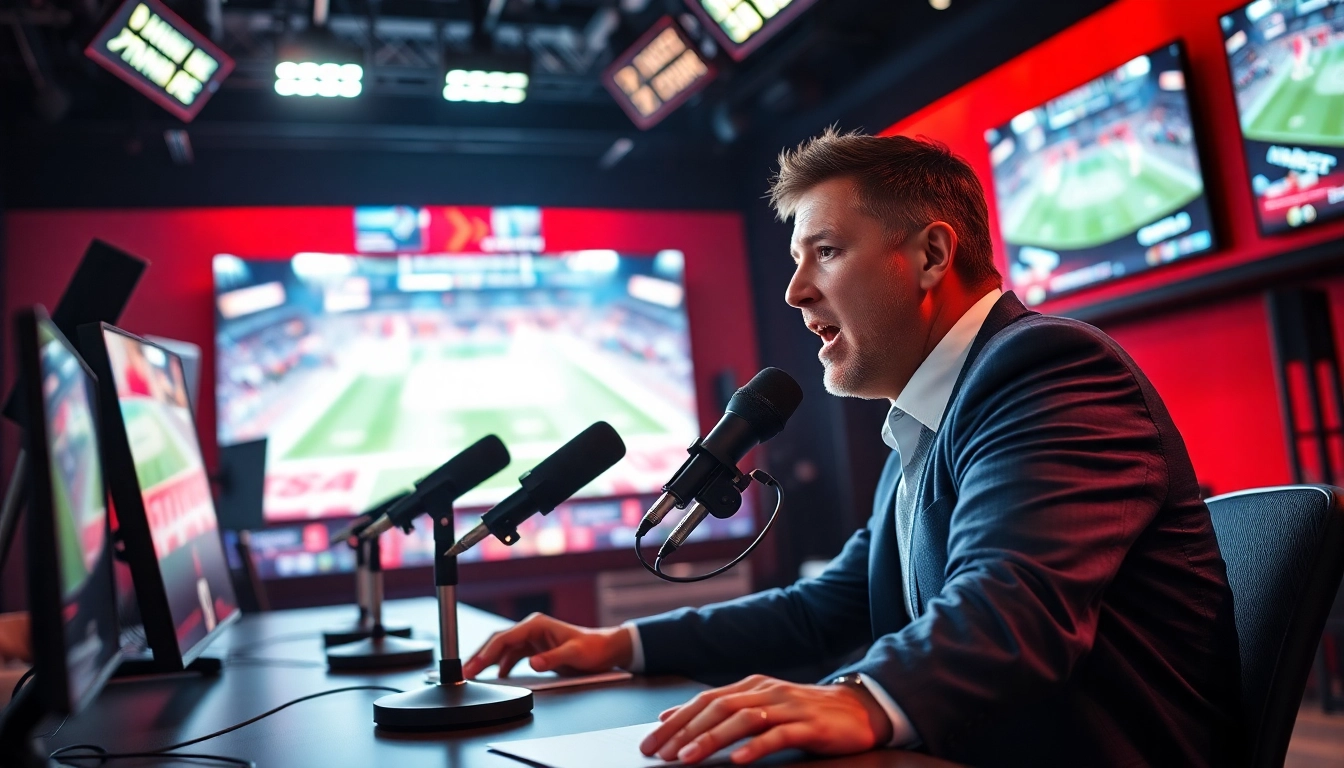
Sports broadcasting is the dissemination of sports-related content via various media. This includes live television broadcasts, radio commentary, online streaming, and digital platforms. In essence, it serves to connect fans with their favorite sports and teams, bringing the excitement of events directly into their homes or devices. With the evolution of technology, this scope has dramatically expanded, offering innovative ways to engage and interact with audiences. By integrating platforms and embracing new technologies, sports broadcasting continues to evolve, creating expansive possibilities for reach and engagement. For a closer look at this dynamic field, check out Sports Broadcasting.
History and Evolution of Sports Broadcasting
The roots of sports broadcasting can be traced back to the early 20th century when radio first began to gain popularity. The first known live sports broadcast occurred in 1921, featuring a boxing match between Jack Dempsey and Georges Carpentier. The advent of television in the 1950s brought about a seismic shift. Iconic programs like "Wide World of Sports" began showcasing a variety of sporting events, further entrenching sports in the public consciousness. With the rise of cable channels in the '80s and '90s, specialized networks dedicated entirely to sports emerged, leading to a boom in viewership and fan engagement. In recent years, the internet and mobile technology have transformed broadcasting once more, allowing instant access to live events and on-demand content, enabling fans to engage with sports anytime, anywhere.
The Role of Technology in Sports Broadcasting
Technology is pivotal in shaping the current landscape of sports broadcasting. From high-definition cameras that capture every angle of a game to the use of drones for aerial footage, technological advancement enhances the viewer experience. Innovations like augmented reality (AR) and virtual reality (VR) are beginning to offer immersive experiences, allowing fans to feel as if they are part of the action. Furthermore, the integration of social media platforms enables live discussions and engagement during broadcasts, fostering a two-way dialogue between broadcasters and audiences. As streaming services continue to grow, they are also altering traditional broadcasting rights and arrangements, leading to new revenue models and partnerships.
Fundamentals of Sports Broadcasting
Key Skills for Sports Broadcasters
Sports broadcasting requires a diverse skill set. First and foremost, an in-depth knowledge of the sport is essential. Broadcasters must stay updated with current statistics, player backgrounds, and strategies to provide insightful commentary. Communication skills are equally important; the ability to convey excitement and build narratives around a game keeps viewers engaged. Additionally, technical skills involving the operation of broadcasting equipment, video editing, and a familiarity with digital platforms are crucial. Finally, adaptability is important, as broadcasters must be prepared to respond to unexpected situations or changes as they unfold.
Understanding Your Audience in Sports Broadcasting
A fundamental aspect for effective sports broadcasting is understanding the audience. This encompasses knowing who the viewers are, what they desire from broadcasts, and tailoring content accordingly. Demographics play a vital role here; different age groups may favor different sports or styles of commentary. Audience engagement tools such as polls, feedback forms, and social media interactions allow broadcasters to gauge viewer reaction and adapt content in real-time. Furthermore, developing niche programming focused on specific sports or local teams can help attract dedicated fan bases, ensuring that content resonates deeply with the audience.
Essential Tools and Equipment
A successful sports broadcaster relies on a range of tools and equipment. Essential items include high-quality microphones for clear audio and cameras capable of capturing high-definition video. Graphics software is vital for creating engaging on-screen visuals, including scores, statistics, and highlights. Software for video editing can enhance pre-taped segments, allowing broadcasters to create polished content that adds depth to live broadcasts. Additionally, interaction tools such as social media dashboards can monitor audience engagement and reactions, providing real-time feedback on the broadcast's reception.
Advanced Techniques in Sports Broadcasting
Analyzing Game Play for Better Commentary
Effective sports commentary goes beyond merely describing the action. Broadcasters should analyze gameplay in real-time, providing insights into tactics, player performance, and potential outcomes. This involves understanding patterns in play and being able to recognize and convey shifts in momentum. Using advanced statistics and performance analytics can enhance commentary quality, making it more engaging for viewers. For example, discussing a player’s shooting percentages in conjunction with their shot selection offers a deeper understanding of their effectiveness during a game.
Creating Engaging Content for Digital Platforms
With the rise of digital streaming platforms, content creation has moved beyond live broadcasts. Broadcasters must now craft engaging content for social media and other online channels, encompassing highlights, interviews, and analysis. Short-form videos and compelling graphics can capture attention quickly. Using stories or live sessions to interact with fans adds an engaging layer to traditional broadcasting. In addition, podcasts are becoming popular in sports media, offering a platform for in-depth discussion that fans can consume on-the-go, further expanding the breadth of content available.
Interview Techniques for Athletes and Coaches
Conducting interviews with athletes and coaches is an integral part of sports broadcasting. An effective interviewer must establish rapport and create a comfortable environment for the interviewee. Open-ended questions can elicit more engaging responses, providing insights that resonate with audiences. Additionally, the interviewer should stay informed about the subject’s background and current context to ask relevant questions. Preparing for potential sensitive topics and knowing how to approach them thoughtfully can also contribute to more profound discussions, enhancing viewers’ understanding of the athlete or coach’s perspective.
Challenges in Sports Broadcasting
Handling Unexpected Circumstances On-Air
Live broadcasting comes with its share of unpredictability. Technical failures, unexpected events, or controversial moments can challenge even the most seasoned broadcasters. A key skill for managing these situations is improvisation; broadcasters should be well-prepared to fill airtime while resolving problems or waiting for events to unfold. Developing a crisis management plan is essential, including pre-prepared segments or backup materials. Clear communication with the technical team ensures swift resolution to issues, allowing broadcasts to continue with minimal disruption.
Navigating Broadcast Ethics and Standards
Ethics in sports broadcasting is a crucial area that must not be overlooked. Broadcasters have a responsibility to maintain integrity, avoid bias, and respect privacy. This includes providing accurate and fair coverage while refraining from spreading rumors or unverified information. Understanding and adhering to legal guidelines related to broadcasting, such as copyright laws, is equally essential. Transparency in sponsorships or affiliations ensures audiences have a clear understanding of potential conflicts of interest, maintaining trust in the broadcaster’s credibility.
Adapting to the Modern Broadcasting Environment
The modern broadcasting landscape is vastly different from previous generations, largely due to technology’s rapid evolution. Broadcasters must adapt quickly to changing viewer preferences and new technologies. This involves integrating social media and interactive features into broadcasts to foster viewer participation. Understanding how to leverage data analytics to tailor content based on audience behavior is another critical adaptation. Furthermore, as streaming services grow, traditional agreements with distributors may need renegotiation to meet new demands, requiring flexibility and strategic thinking from broadcasters.
Measuring Success in Sports Broadcasting
Key Performance Indicators for Broadcasters
Measuring the success of a sports broadcast involves various Key Performance Indicators (KPIs). Viewership numbers, ratings, and audience retention rates provide insight into how well a broadcast is performing. Engaging deeper, metrics such as the average view duration and peak viewership moments can uncover trends about where audiences drop off or remain intrigued. Analytics tools allow broadcasters to assess these metrics systematically, identifying strengths and areas for improvement.
Audience Engagement Metrics
Engagement metrics are essential to understanding viewer interaction levels. Social media mentions, comments, shares, and overall interaction rates reflect how audiences are responding to broadcasts. Surveys and polls are effective tools for gathering direct feedback from viewers about their preferences and satisfaction. Additionally, measuring audience sentiment through qualitative feedback can provide valuable insights into potential adjustments that could enhance viewer experience and satisfaction during broadcasts.
Continuous Improvement Through Feedback
Continuous improvement is a hallmark of professional sports broadcasting. Gathering and analyzing feedback allows broadcasters to evolve their practices and focus on viewer preferences. Post-broadcast reviews that include team meetings discussing viewer metrics alongside critical feedback help identify key areas for growth. Establishing a direct line of communication with audiences also encourages ongoing dialogue, allowing broadcasters to remain attuned to changing trends and preferences within the sports community.
Frequently Asked Questions About Sports Broadcasting
What are the main types of sports broadcasting?
The main types include live television broadcasts, radio commentary, online streaming, and digital content on social media platforms.
What skills are required for a sports broadcaster?
Key skills include communication, knowledge of sports, adaptability, technical proficiency, and audience understanding. Analysis and storytelling skills are also critical.
How has technology changed sports broadcasting?
Technology has introduced advancements such as high-definition cameras, social media interaction, augmented reality, and live streaming services, enhancing viewer engagement.
What challenges do sports broadcasters face?
Challenges include technical issues, unpredictable events, maintaining ethics, and adapting to rapidly changing viewer preferences and broadcasting platforms.
How can broadcasters measure their success?
Broadcasters can measure success using viewership statistics, audience engagement metrics, and feedback surveys, alongside analyzing performance during broadcasts.