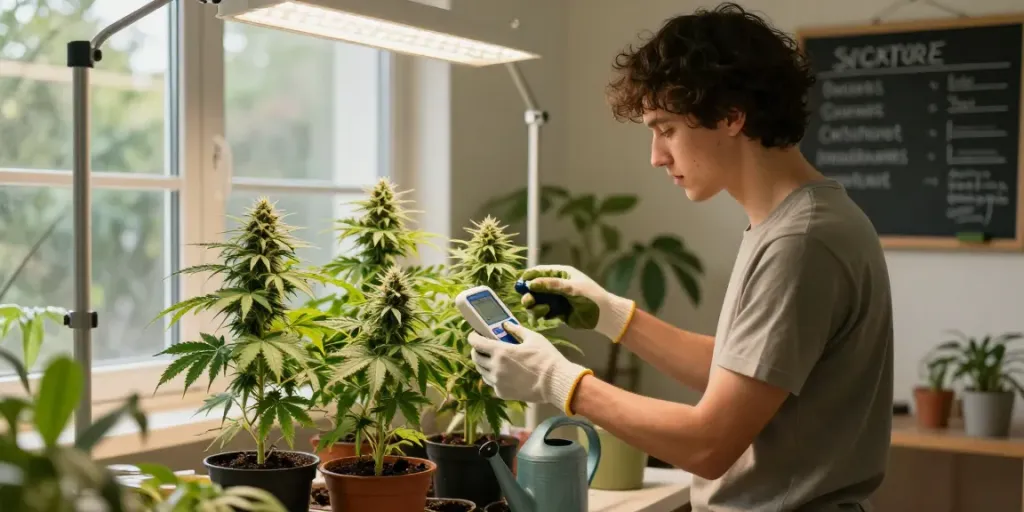
Understanding Autoflower Cannabis Seeds
Autoflower cannabis seeds have revolutionized the world of cultivation, offering a unique growing experience that caters to both novice and experienced growers. Unlike traditional strains, autoflowering seeds flower automatically based on maturity rather than light cycles. This means that growers can enjoy a faster and more efficient growing process, making it an appealing option for those with limited time or space. When exploring options, autoflower cannabis seeds provide comprehensive insights into the varieties available, ensuring you choose the best match for your cultivation goals.
What are Autoflower Cannabis Seeds?
Autoflower cannabis seeds are derived from hybrids that include the Cannabis ruderalis species, known for its natural ability to flower without changes in light exposure. This characteristic makes them distinct from photoperiod strains that require specific light schedules to enter the flowering stage. Autoflower seeds typically grow from germination to harvest in a shorter time frame, often ranging from 7 to 10 weeks, making them perfect for rapid cycles and easy management.
How Autoflowering Works: A Genetic Overview
The genetic makeup of autoflower cannabis seeds is primarily rooted in the Cannabis ruderalis lineage, which has adapted to environments with less predictable daylight patterns. This allows autoflower plants to begin their flowering stage based on age, rather than the length of the day. With selective breeding, modern autoflower strains incorporate desirable traits from popular photoperiod strains, leading to robust plants that deliver high-quality yields. The result is a variety of cultivars that can produce impressive levels of THC and other cannabinoids while maintaining the autoflowering trait.
Why Choose Autoflower Genetics?
Many growers opt for autoflower genetics due to their versatility and ease of cultivation. Autoflowering strains are particularly advantageous for those who may lack the ability to control light cycles, such as indoor growers with limited setups or outdoor cultivators in regions with shorter growing seasons. The compact growth typically associated with these plants allows for discreet cultivation, making them ideal for urban environments where space is at a premium. Additionally, autoflowering plants are known for their resilience to varying environmental conditions, further enhancing their appeal.
Benefits of Growing Autoflower Cannabis Seeds
Rapid Growth Cycles and Harvesting
One of the most significant benefits of autoflower cannabis seeds is their rapid growth cycle. Many autoflowering varieties can complete their life cycle in as little as 7 weeks, from seed to harvest. This rapid turnaround not only maximizes the number of harvests you can achieve in a year but also allows growers to respond quickly to market demands or personal use needs. For those looking to experiment with different strains, the fast flowering times can facilitate more trials and adjustments.
Space-Efficient Cultivation
Autoflower plants tend to be smaller and bushier compared to their photoperiod counterparts, making them perfect for growers with limited vertical space. Their compact nature allows for more efficient use of space, enabling growers to cultivate multiple plants in smaller areas. This is particularly advantageous for individuals cultivating in closets, tents, or small outdoor gardens. With careful planning, it’s possible to stagger planting schedules, ensuring a continuous harvest throughout the growing season.
High Potency and Flavor Profiles
Today's autoflower strains are often bred for potency, with many cultivars boasting high levels of THC and rich flavor profiles. Breeders have worked tirelessly to combine the autoflowering trait with premium commercial strains, creating a diverse selection of flavors and effects suited for various preferences. Whether you’re looking for a relaxing Indica, an energizing Sativa, or a balanced hybrid, there’s likely an autoflower strain that meets your desires.
Differences Between Autoflower, Feminized, and Regular Seeds
Autoflower vs Feminized: Key Differences
The primary difference between autoflower and feminized seeds is in the flowering process and sex determination. Feminized seeds are specifically bred to produce female plants, which are the ones that yield buds, while regular seeds can produce both male and female plants. Autoflower seeds, on the other hand, will flower based on maturity irrespective of the light schedule, but they can also be feminized or regular. This means growers can choose autoflowering feminized seeds to ensure a harvest of high-quality buds, or opt for regular seeds if they are looking to breed their plants.
Regular Seeds: Pros and Cons
Regular cannabis seeds offer the potential for genetic diversity, as they contain both male and female plants. This can be desirable for breeders seeking to create new strains or crossbreed existing varietals. However, the downside is that growers must identify and remove male plants to prevent pollination, which can complicate the cultivation process. For those interested in breeding, regular seeds are essential, but for straightforward growing and harvesting, feminized and autoflowering seeds are often favored.
Selecting the Right Seed Type for Your Needs
Choosing the right seed type depends largely on your growing goals and environment. Autoflower seeds are ideal for quick, hassle-free cultivation, especially in smaller spaces, while feminized seeds provide assurance of female-only crops, perfect for the commercial grower. Regular seeds might suit breeders or experienced growers looking to explore genetic possibilities. Assess your needs and consider experimenting with different types to find what works best for you.
Best Practices for Cultivating Autoflower Cannabis Seeds
Optimal Growing Conditions
To maximize yields from your autoflower cannabis seeds, providing optimal growing conditions is crucial. Autoflower plants thrive in a well-balanced environment, typically requiring temperatures ranging between 70-80°F (21-27°C) during the day and slightly cooler at night. Maintaining proper humidity levels, around 40-50% during the vegetative stage and 30-40% during flowering, can significantly influence their growth and health. Proper ventilation is also essential to ensure a steady flow of fresh air and prevent mold or mildew.
Watering and Nutrient Needs
Autoflowering plants generally have lighter nutrient needs compared to photoperiod strains. Over-fertilizing can lead to nutrient burn and stunted growth. Starting with a light feeding regimen and gradually increasing as the plant grows can help mitigate these risks. Watering should be done consistently, allowing the soil to dry slightly between waterings to prevent root rot. It’s important to monitor each plant’s response and adjust this routine as needed.
Harvesting Techniques for Maximum Yield
Harvesting at the right time is crucial for achieving the best potency and flavor from your autoflowering plants. Observing trichome development is a tried-and-true method; clear trichomes indicate that it’s too early to harvest, while milky white trichomes signify peak THC levels. For a more sedative effect, waiting for some trichomes to turn amber can enhance the overall experience. Employing proper drying and curing techniques will also play a vital role in maximizing the potency and preserving the quality of your harvest.
Common Challenges and FAQs about Autoflower Cannabis Seeds
Potential Downsides of Autoflower Seeds?
While autoflower cannabis seeds offer many benefits, there are potential downsides to consider. A common concern is that autoflowering strains may not yield as much as their photoperiod counterparts. Additionally, since autoflower plants have a set life cycle, any stressor or environmental issue can affect their growth and yield significantly. It's also crucial to note that not all autoflower strains have been bred equally, so carefully selecting high-quality seeds is essential for a successful grow.
How Long Does It Take for Autoflower Seeds to Mature?
Autoflower seeds generally take between 7 to 10 weeks to mature from germination to harvest, depending on the strain and growing conditions. This rapid growth cycle allows for multiple harvests throughout the year, particularly in outdoor environments where seasons may limit growth opportunities.
Do You Need to Soak Autoflower Seeds Before Planting?
Soaking autoflower seeds before planting is not strictly necessary, but it can be beneficial for germination. Soaking can help to soften the seed coat, allowing moisture to penetrate more easily and improving the chances of successful germination. If you choose this method, ensure you don’t soak them for too long, as prolonged exposure to water can lead to rot.